




How to store baby food bags properly?
 Aug 15, 2025|
 Hey there! As a baby food bag supplier, I've seen firsthand how important it is to store these bags properly. In this blog, I'll share some tips on how to do just that, ensuring your little one's food stays fresh and safe.
Why Proper Storage Matters
First off, let's talk about why proper storage of baby food bags is a big deal. Babies have delicate immune systems, and contaminated food can lead to all sorts of health issues. Plus, nobody wants their hard - made or store - bought baby food to go bad before it's even been used. When you store baby food bags correctly, you're not only protecting your baby's health but also getting the most bang for your buck.
Choose the Right Location
The location where you store your baby food bags can make a huge difference. You want a place that's clean, dry, and away from direct sunlight. Sunlight can heat up the bags and cause the food inside to spoil faster. A pantry or a cabinet in the kitchen is usually a great choice. Make sure the area is well - ventilated, too. Avoid storing the bags near appliances that generate heat, like the oven or the dishwasher.
If you're storing frozen baby food bags, the freezer is the obvious place. But even in the freezer, organization is key. Keep the bags in a designated section so you can easily find what you need. You don't want to be rummaging around and accidentally knocking other bags over, which could lead to damage.
Temperature Control
Temperature plays a crucial role in keeping baby food fresh. For unopened baby food bags that are shelf - stable, room temperature is fine. Just make sure the room isn't too hot. A temperature between 60°F and 70°F (15°C and 21°C) is ideal.
Once you open a baby food bag, things change. You should refrigerate any leftovers right away. The fridge should be set at or below 40°F (4°C). This slows down the growth of bacteria and other microorganisms that can spoil the food.
If you're freezing baby food, set your freezer to 0°F (-18°C) or lower. At this temperature, the food will stay safe for a long time. But remember, the quality might start to decline after a few months, so try to use the frozen food within 3 - 6 months for the best taste and nutritional value.
Keep Them Clean
Before you store your baby food bags, make sure they're clean. If there's any food residue on the outside of the bag, it can attract bugs or bacteria. Wipe the bags down with a clean, damp cloth if needed.
Also, be careful when handling the bags. Wash your hands thoroughly before touching them. And if you're using a scoop or a spoon to transfer the food, make sure it's clean too. You don't want to introduce any contaminants to the food.
Check for Damage
Inspect the baby food bags regularly for any signs of damage. A torn or punctured bag can let air and bacteria in, spoiling the food. If you notice any holes, tears, or leaks, don't use the bag. It's better to be safe than sorry when it comes to your baby's food.
If you're storing multiple bags together, make sure they're not挤压 each other too tightly. This can cause the bags to burst or tear. Arrange them in an orderly way so they're not at risk of damage.
Labeling
Labeling your baby food bags is a great way to keep track of what's inside and when it was made or opened. You can use a permanent marker to write the date, the type of food, and any special instructions. This is especially important for frozen food. You'll know exactly how long it's been in the freezer and when it needs to be used.
For example, if you made a batch of pureed carrots on June 1st, write "Carrot puree, June 1st" on the bag. This way, you can rotate your stock and use the oldest food first.
Use the Right Bags
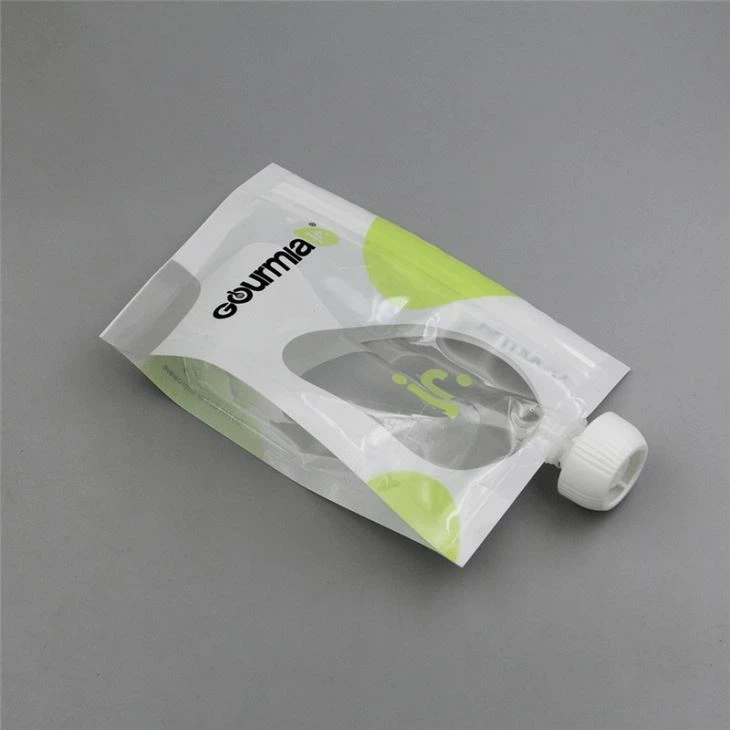
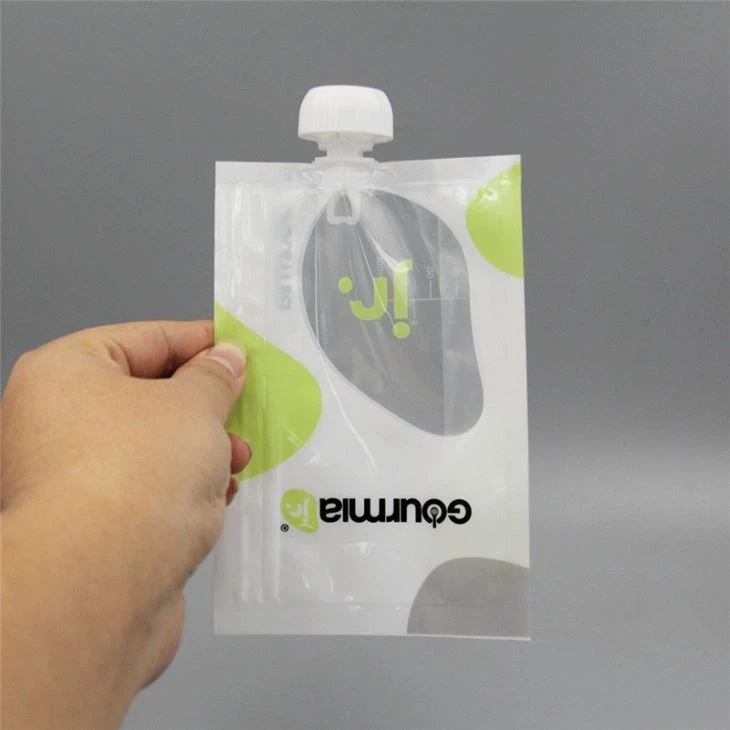
Of course, the type of baby food bag you use matters. At our company, we offer Food Grade Spout Baby Food Bag. These bags are made from high - quality, food - grade materials that are safe for your baby. They're designed to keep the food fresh and are easy to use.
The spout on these bags makes it convenient to dispense the food, whether you're feeding your baby directly or pouring it into a bowl. And because they're food - grade, you can be confident that they won't leach any harmful chemicals into the food.
Stacking and Arranging
When storing baby food bags, how you stack and arrange them can affect their integrity. Don't stack too many bags on top of each other, especially if they're full. This can put too much pressure on the bottom bags and cause them to burst.
Instead, lay the bags flat in rows or stack them in a way that distributes the weight evenly. You can use shelves or storage bins to keep them organized. This not only makes it easier to find what you need but also reduces the risk of damage.
Rotation
As I mentioned earlier, it's important to use the oldest baby food first. This is called rotation. When you buy new baby food bags or make a fresh batch, put them at the back of the storage area. Take the older bags from the front and use them. This way, you're ensuring that the food doesn't sit in storage for too long and go bad.
What to Do with Leftovers
If your baby doesn't finish all the food in a bag, don't just leave it out. As soon as the meal is over, seal the bag tightly and put it in the fridge. You can use the leftovers for the next meal, but make sure to use them within 24 - 48 hours.
If you have a large amount of leftover baby food, you can also freeze it. Just transfer it to a new, clean baby food bag, label it, and pop it in the freezer.
Contact for Procurement
If you're a retailer, a daycare center, or just someone who needs a large quantity of baby food bags, I'd love to talk to you. Proper storage starts with high - quality bags, and that's what we offer. Whether you're looking for a small order to test the waters or a large - scale procurement, we can work with you. Reach out to us, and let's start a conversation about how we can meet your baby food bag needs.
References
- American Academy of Pediatrics. (Year). Guidelines for Safe Food Storage for Infants.
- Food and Drug Administration. (Year). Food Storage Regulations for Baby Food.