




How to prevent baby food bags from bursting in the freezer?
 Nov 06, 2025|
Hey there! As a baby food bag supplier, I've seen my fair share of issues that parents and caregivers face when it comes to storing baby food. One of the most common problems is baby food bags bursting in the freezer. It's a real pain, right? You take the time to prepare all that delicious, healthy baby food, pop it in the freezer, and then come back to a messy, frozen disaster. But don't worry, I'm here to share some tips on how to prevent this from happening.
Understanding Why Baby Food Bags Burst in the Freezer
First things first, let's talk about why baby food bags burst in the freezer. When you freeze baby food, the water in the food expands. This expansion creates pressure inside the bag, and if the bag isn't able to handle that pressure, it can burst. It's kind of like when you fill a balloon with too much air - eventually, it's going to pop.
Another reason could be the quality of the baby food bag. If the bag is made from a thin or low - quality material, it won't be able to withstand the pressure of the expanding food. That's why it's super important to choose the right baby food bag.
Choosing the Right Baby Food Bag
When it comes to preventing baby food bags from bursting in the freezer, choosing the right bag is crucial. Look for bags that are made from high - quality, thick plastic. These bags are more durable and better able to handle the pressure of the expanding food.
One great option is the Food Grade Spout Baby Food Bag. These bags are not only food - grade, which means they're safe for your little one's food, but they also have a sturdy construction. The spout design makes it easy to dispense the food, and the bag itself can handle the stress of freezing.
Filling the Bags Correctly
How you fill the baby food bags also plays a big role in preventing them from bursting. Don't overfill the bags. Leave some empty space at the top of the bag. This extra space gives the food room to expand when it freezes. A good rule of thumb is to fill the bag about three - quarters full.
When you're filling the bags, try to get rid of as much air as possible. Air can also expand in the freezer and add to the pressure inside the bag. You can use a straw to suck out the air or simply press on the bag gently to push the air out before sealing it.
Sealing the Bags Properly
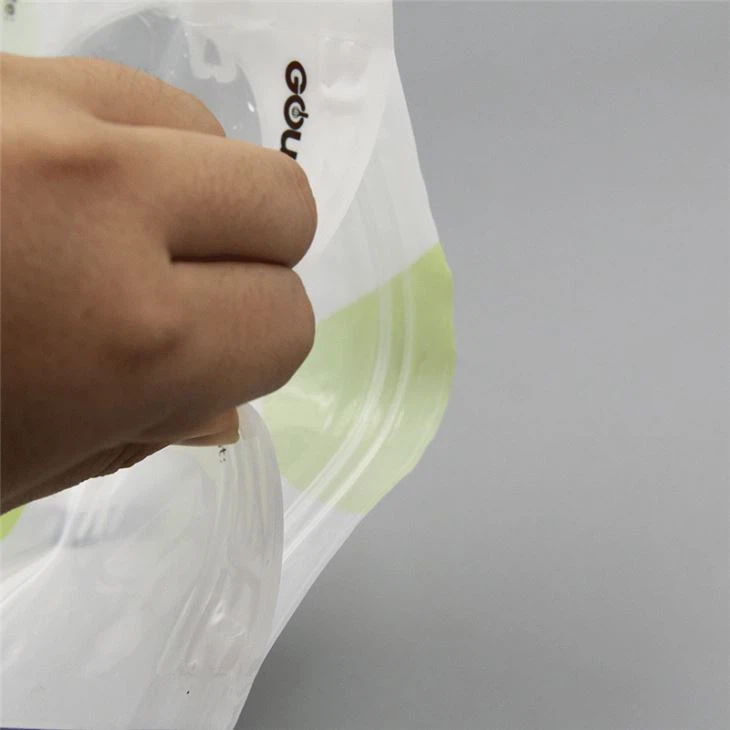
A proper seal is essential. Make sure the bag is sealed tightly. If there are any loose edges or small openings, the expanding food can push through and cause the bag to burst. Double - check the seal before putting the bag in the freezer. Some bags come with a zip - lock closure, and you can press down firmly on the zip to ensure a tight seal. Others may have a heat - seal option. If you're using heat - seal bags, follow the instructions carefully to get a good, strong seal.

Freezing the Bags Safely
Once you've filled and sealed the bags, it's time to freeze them. Place the bags flat in the freezer. This helps to distribute the pressure evenly across the bag. If you stack the bags on top of each other right away, the weight of the upper bags can put extra pressure on the lower ones, increasing the risk of bursting.
It's also a good idea to put the bags on a flat surface, like a baking sheet. This makes it easier to remove them from the freezer later and keeps them from getting squished. And don't rush the freezing process. If you put the bags in a very cold freezer right away, the food may freeze too quickly, causing uneven expansion and potentially bursting the bag. You can start by putting the bags in the fridge for a little while to let them cool down gradually before moving them to the freezer.
Labeling and Organizing the Bags
Labeling the bags is not only helpful for knowing what's inside but can also prevent bursting. When you label the bags, write down the date of preparation and the type of food. This way, you can use the oldest food first and avoid leaving bags in the freezer for too long. Over time, the quality of the plastic in the bag can degrade, making it more likely to burst.
Organize the bags in the freezer so that they have enough space around them. Don't cram them in tightly. This allows for proper air circulation, which helps the food freeze evenly and reduces the pressure on the bags.
Thawing the Bags Carefully
When it's time to use the frozen baby food, thaw it carefully. Don't try to thaw the bag too quickly, like by putting it in hot water. The sudden change in temperature can cause the bag to burst. Instead, thaw the bag in the fridge overnight. This slow thawing process is gentle on the bag and the food inside.
If you're in a hurry, you can also place the frozen bag in a bowl of cold water. Change the water every 30 minutes to speed up the thawing process a bit. But still, be patient and don't rush it.
Testing the Bags
Before you start using a new batch of baby food bags, it's a good idea to do a little test. Fill a few bags with water, seal them properly, and put them in the freezer. Check on them after a few hours or the next day. If any of the bags burst, then you know there's a problem with the bags or the way you're filling and sealing them. You can then make the necessary adjustments.
Conclusion
Preventing baby food bags from bursting in the freezer isn't rocket science. By choosing the right bags, filling and sealing them correctly, freezing and thawing them carefully, you can avoid those messy freezer disasters. And remember, as a baby food bag supplier, I'm here to help you find the best solutions for storing your baby's food safely.
If you're interested in purchasing high - quality baby food bags, like the Food Grade Spout Baby Food Bag, feel free to reach out. We're always happy to discuss your needs and help you find the perfect bags for your baby's food. Whether you're a parent, a daycare provider, or a small - scale baby food producer, we've got you covered. Let's work together to keep your baby's food fresh and your freezer mess - free!
References
- General knowledge on food storage and plastic properties
- Experience as a baby food bag supplier