




How to clean baby food bags?
 Jan 06, 2026|
 Cleaning baby food bags is an essential task for ensuring the health and safety of your little one. As a baby food bag supplier, I understand the importance of maintaining the cleanliness of these bags to prevent the growth of harmful bacteria and ensure that the food stored inside remains fresh and safe to consume. In this blog post, I will share some effective methods on how to clean baby food bags properly.
Why Cleaning Baby Food Bags Is Important
First and foremost, let's talk about why cleaning baby food bags is crucial. Babies have delicate immune systems, and any exposure to bacteria or contaminants can lead to health issues. When food residue is left inside the baby food bags, it can become a breeding ground for bacteria, mold, and other pathogens. These can contaminate the new food you put in the bags later, potentially causing digestive problems or even foodborne illnesses in your baby.
Moreover, regular cleaning can extend the lifespan of the baby food bags. Ensuring that the bags are clean and free from odors and stains makes them more likely to be in good condition for multiple uses. This not only saves you money but also reduces waste, which is better for the environment.
Materials Needed for Cleaning
Before you start cleaning, gather the necessary materials. You will need mild dish soap, warm water, a soft sponge or cloth, and a bottle brush. If desired, you can also have a vinegar solution on hand, which can be useful for removing stubborn stains or odors.
Step-by-Step Cleaning Process
Empty the Bag
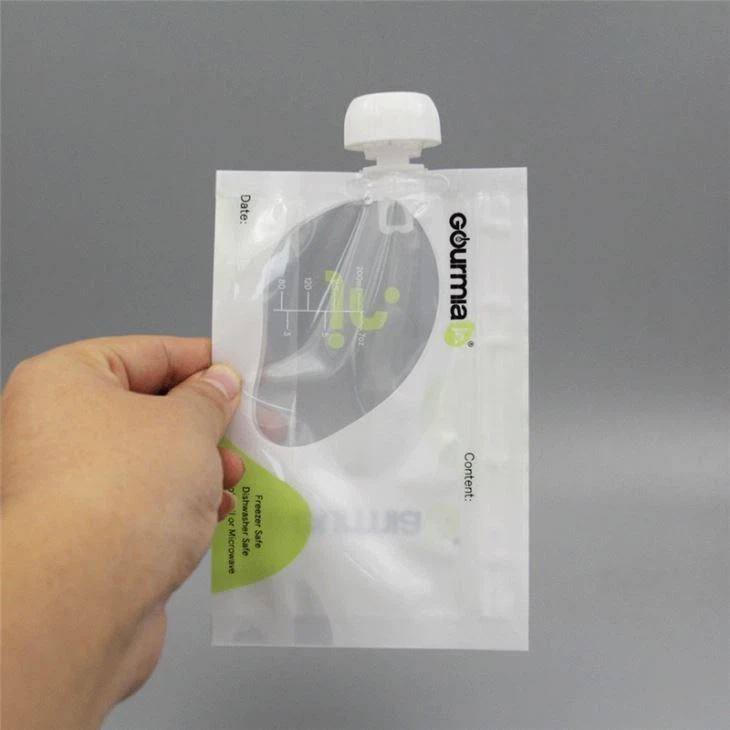
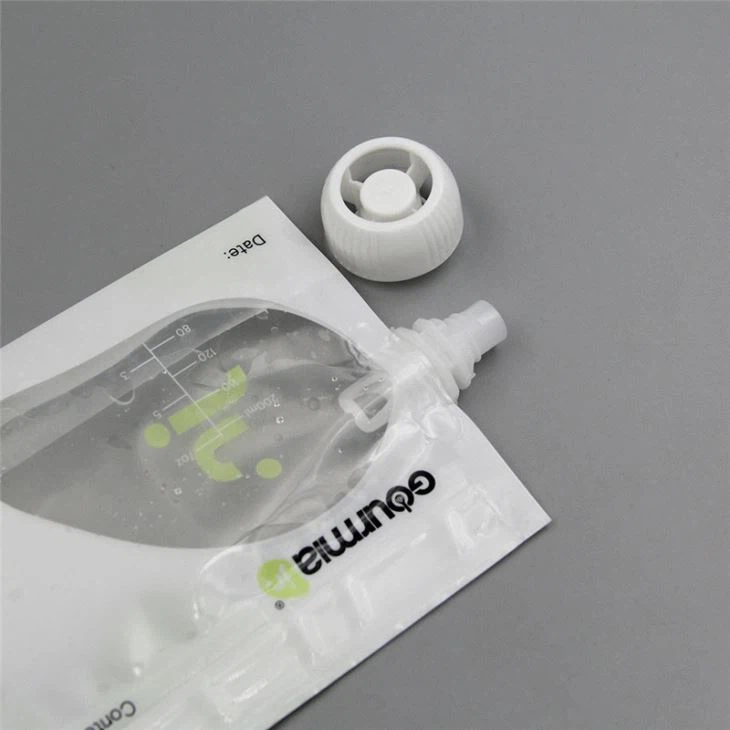
The first step in cleaning a baby food bag is to empty any remaining food. Most of our Food Grade Spout Baby Food Bag comes with a convenient spout, which makes it easy to squeeze out the last bit of food. Make sure to get rid of all the food residue as much as possible.
Rinse the Bag
After emptying the bag, rinse it thoroughly with warm water. Hold the bag under the running water and let it flow through the spout and inside the bag. This will help remove any loose food particles. You can gently squeeze the bag to ensure that the water reaches all corners of the bag.
Prepare the Cleaning Solution
Fill a sink or a large bowl with warm water and add a small amount of mild dish soap. Mix the solution well until it becomes soapy. Avoid using harsh chemicals or strong detergents, as they can leave a residue that may be harmful to your baby.
Wash the Bag
Dip the soft sponge or cloth into the soapy water and gently wipe the inside and outside of the baby food bag. Pay special attention to the spout area, as this is where food often gets stuck. If there are any stubborn stains, you can use a bottle brush to scrub the affected areas gently. Be careful not to damage the bag while scrubbing.
Rinse Again
Once you have washed the bag thoroughly, rinse it under running water to remove all the soap. Make sure there is no soap residue left inside the bag, as this can affect the taste of the food. You can also fill the bag with clean water and shake it a few times before emptying it to ensure a proper rinse.
Remove Odors
If the baby food bag has an unpleasant odor, you can use a vinegar solution to remove it. Mix equal parts of water and white vinegar in a bowl. Dip a cloth into the solution and wipe the inside of the bag. Let the bag sit for a few minutes before rinsing it thoroughly with water. The vinegar will help neutralize the odor.
Dry the Bag
After rinsing, gently squeeze out any excess water from the bag. Hang the bag upside down to dry naturally. Make sure it is placed in a well - ventilated area. Avoid using a dryer or other heat sources to dry the bag, as this can damage the material.
Tips for Maintaining Clean Baby Food Bags
- Clean after each use: To prevent the buildup of bacteria, it is recommended to clean the baby food bags immediately after each use. This will make the cleaning process easier and more effective.
- Inspect regularly: Check the baby food bags regularly for any signs of damage, such as holes or tears. If you notice any damage, it is best to replace the bag to ensure the safety of your baby's food.
- Store properly: When not in use, store the clean and dry baby food bags in a cool, dry place. Avoid storing them in direct sunlight or in a humid environment, as this can promote the growth of mold.
Different Types of Baby Food Bags and Their Cleaning Requirements
Most of our baby food bags are made from food - grade materials. Different types of baby food bags might have slightly different cleaning requirements. For example, some bags may be made from more delicate materials and require gentler handling during cleaning. Always refer to the product instructions provided with the bag for specific cleaning guidelines.
When to Replace Baby Food Bags
Even with proper cleaning and maintenance, baby food bags will eventually need to be replaced. If the bag shows signs of wear and tear, such as cracks, fading, or if it no longer seals properly, it is time to get a new one. This ensures that your baby's food remains safe and fresh.
In conclusion, cleaning baby food bags is a simple but essential task for parents and caregivers. By following the steps and tips outlined in this blog post, you can keep your baby food bags clean, safe, and in good condition for multiple uses.
As a baby food bag supplier, we are committed to providing high - quality products that meet the highest safety standards. Our Food Grade Spout Baby Food Bag is designed with your baby's health in mind. If you are interested in purchasing our baby food bags or have any questions about our products, please feel free to contact us for more information and start a procurement discussion.
References
- American Academy of Pediatrics. Guidelines for Safe Food Handling for Infants and Toddlers.
- Food Safety and Inspection Service. Tips for Keeping Food Storage Containers Clean.