




Can food bags be used for storing condiments?
 Jun 03, 2025|
Hey there! As a food bag supplier, I often get asked this question: Can food bags be used for storing condiments? Well, let's dive right into it and find out.
First off, let's talk about what condiments are. Condiments are those little flavor - boosters we add to our food, like ketchup, mustard, mayonnaise, soy sauce, and spices. They come in all shapes, sizes, and consistencies, and each type has its own storage requirements.
One of the key factors to consider when using food bags for condiment storage is the material of the bag. We offer a variety of food bags made from different materials, each with its own set of pros and cons.
Types of Food Bags and Their Suitability for Condiments
Plastic Food Bags
Plastic food bags are probably the most common type. They're lightweight, flexible, and usually pretty cheap. For thin - liquid condiments like soy sauce or vinegar, plastic bags can work well. They can be sealed tightly, preventing leaks. However, not all plastics are created equal. Some plastics may react with certain acidic or oily condiments over time. For example, strong - flavored and acidic condiments like lemon juice or hot sauce might start to break down lower - quality plastics, causing the bag to become brittle or even leach chemicals into the condiment.

But don't worry! Our high - quality plastic food bags are made from food - grade materials that are resistant to a wide range of condiments. They're tested to ensure they won't react with your favorite flavors. You can check out our Chicken Spring Rolls Packaging which is made from a durable plastic that can also be used for storing some condiments. It's strong enough to hold up against the moisture and oil that often come with condiments.
Kraft Paper Bags
Kraft paper bags are a more eco - friendly option. They have a rustic look and feel, and many people prefer them for their natural appearance. When it comes to condiment storage, kraft paper bags can be a good choice for dry condiments like salt, pepper, or dried herbs. They can absorb a little bit of moisture, which is great for keeping these dry ingredients fresh.
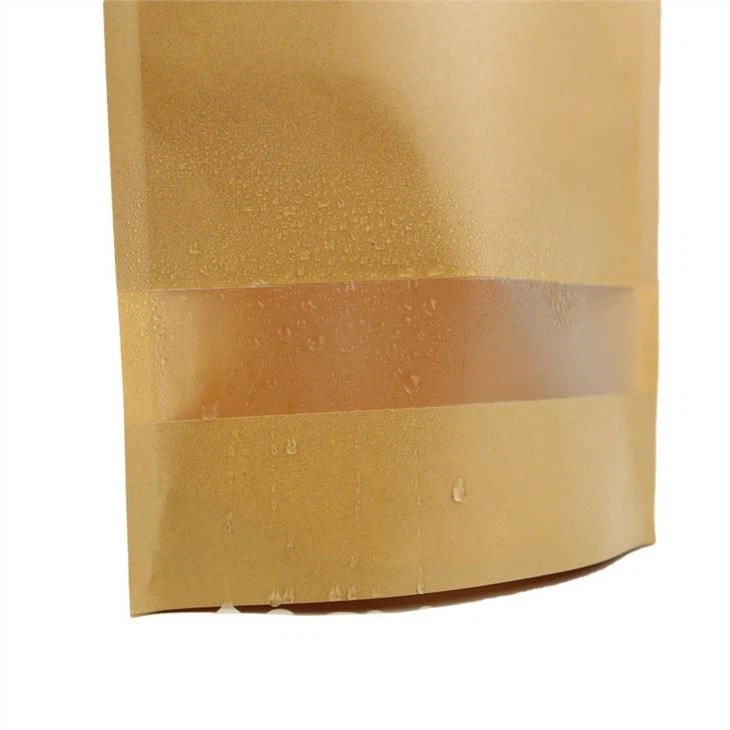
However, for wet or oily condiments, plain kraft paper won't cut it. That's where our Waterproof kraft paper bag with window comes in. It's laminated with a waterproof layer, making it suitable for storing things like mayonnaise packets or small amounts of barbecue sauce. The window also allows you to easily identify the condiment inside without opening the bag.
Zipper Bags
Zipper bags are super convenient. They're easy to open and close, and you can see what's inside. Our Mason Jar Zipper Bag is a great example. It's designed to fit over a mason jar, but it can also be used on its own for condiment storage. Whether you're storing a small amount of mustard for a picnic or a batch of homemade salsa, the zipper ensures a tight seal, keeping the condiment fresh and preventing spills.
Factors to Consider for Condiment Storage in Food Bags
Sealability
A good seal is crucial when storing condiments. No one wants their ketchup leaking all over their pantry. Our food bags are designed with strong seals, whether it's a heat - sealed plastic bag or a zipper closure. This helps to keep the condiment fresh and prevents air and moisture from getting in.
Durability
Condiments can be messy, and they may put some stress on the bag. That's why our bags are made to be durable. They can withstand the weight and movement of the condiment without tearing or breaking. For example, if you're storing a large bottle of barbecue sauce in a plastic bag, you don't have to worry about the bag giving way.
Compatibility
As I mentioned earlier, different condiments have different properties. Some are acidic, some are oily, and some are dry. You need to choose a bag that's compatible with the condiment you're storing. Our team can help you select the right bag based on the type of condiment you have.
Benefits of Using Food Bags for Condiment Storage
Portability
Food bags make it easy to take your condiments on the go. Whether you're going on a picnic, a road trip, or just packing a lunch, you can easily throw a few condiment - filled bags into your cooler or lunchbox.
Organization
Using food bags to store condiments can help keep your pantry or fridge organized. You can label the bags and stack them neatly, making it easier to find what you're looking for.
Cost - Effective
Buying condiments in bulk and storing them in food bags can be a cost - effective solution. You can save money by purchasing larger quantities and then portioning them out into individual bags.
How to Store Condiments in Food Bags Properly
Cleanliness
Before putting a condiment into a bag, make sure the bag is clean. Any dirt or debris in the bag can contaminate the condiment. Wash your hands before handling the bag and the condiment to prevent the spread of germs.
Portioning
If you're storing a large amount of condiment, it's a good idea to portion it out into smaller bags. This makes it easier to use and reduces the risk of spoilage. For example, if you have a big jar of mayonnaise, you can divide it into several smaller plastic bags.
Labeling
Always label the bag with the name of the condiment and the date it was stored. This helps you keep track of freshness and prevents confusion.
In conclusion, food bags can definitely be used for storing condiments, as long as you choose the right type of bag and store them properly. At our company, we're committed to providing high - quality food bags that are suitable for a wide range of condiments. Whether you're a home cook looking to organize your pantry or a food business in need of packaging solutions, we've got you covered.
If you're interested in purchasing our food bags for condiment storage or have any questions, don't hesitate to reach out. We're here to help you find the perfect packaging solution for your needs.
References
- Food Packaging Handbook, Second Edition, edited by Yam K.L. and Takhistov P.
- "Packaging Materials and Their Interaction with Food" by Robertson G.L.