




Are plastic film rolls available in different gauges?
 Jan 15, 2026|
Hey there! As a supplier of plastic film rolls, I often get asked, "Are plastic film rolls available in different gauges?" The short answer is yes, and in this blog post, I'm going to dive deep into the world of plastic film roll gauges, why they matter, and how you can choose the right one for your needs.
First off, let's talk about what gauge means when it comes to plastic film rolls. Gauge is a unit of measurement used to describe the thickness of the plastic film. It's usually measured in thousandths of an inch (mils) or microns. For example, a 2-mil plastic film is 0.002 inches thick. The gauge of a plastic film roll plays a crucial role in determining its strength, durability, and performance.
One of the main reasons why plastic film rolls come in different gauges is to meet the diverse needs of various industries. Different applications require different levels of thickness and strength. For instance, if you're packaging a lightweight product like snacks, you might not need a very thick plastic film. In this case, a thinner gauge, such as 1-2 mils, would be sufficient. On the other hand, if you're packaging heavy or sharp-edged items, you'll want a thicker gauge, like 3-6 mils, to ensure the film can withstand the weight and prevent punctures.
Let's take a look at some common industries and the typical gauges they use:
Food Packaging
Food packaging is one of the largest consumers of plastic film rolls. When it comes to food packaging, the gauge of the plastic film is selected based on the type of food, the packaging method, and the desired shelf life. For example, fresh produce like fruits and vegetables might be packaged in a thin, breathable plastic film with a gauge of around 1-1.5 mils. This allows the produce to breathe and stay fresh for longer. On the other hand, meat and poultry products often require a thicker, more durable film to prevent leakage and contamination. A gauge of 3-4 mils is common for meat packaging.
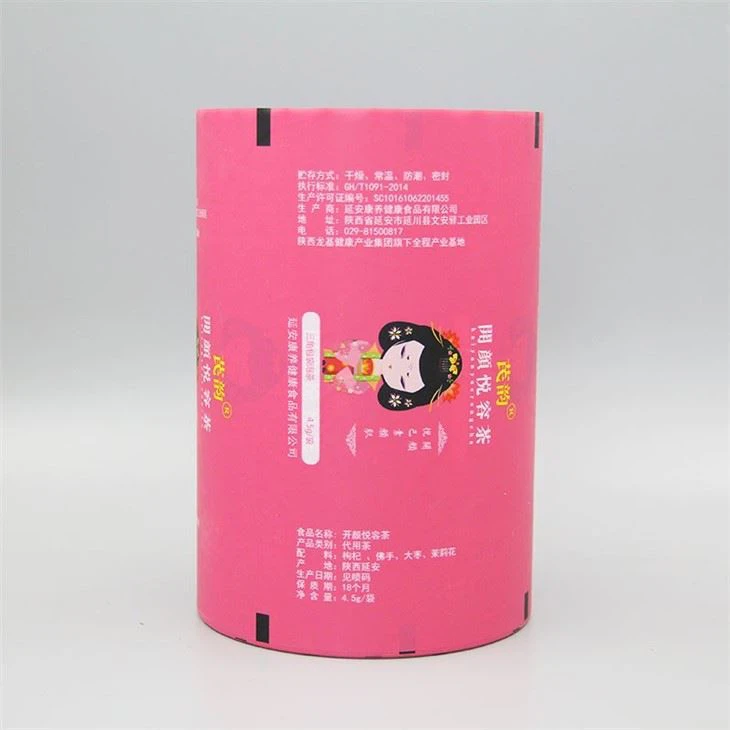
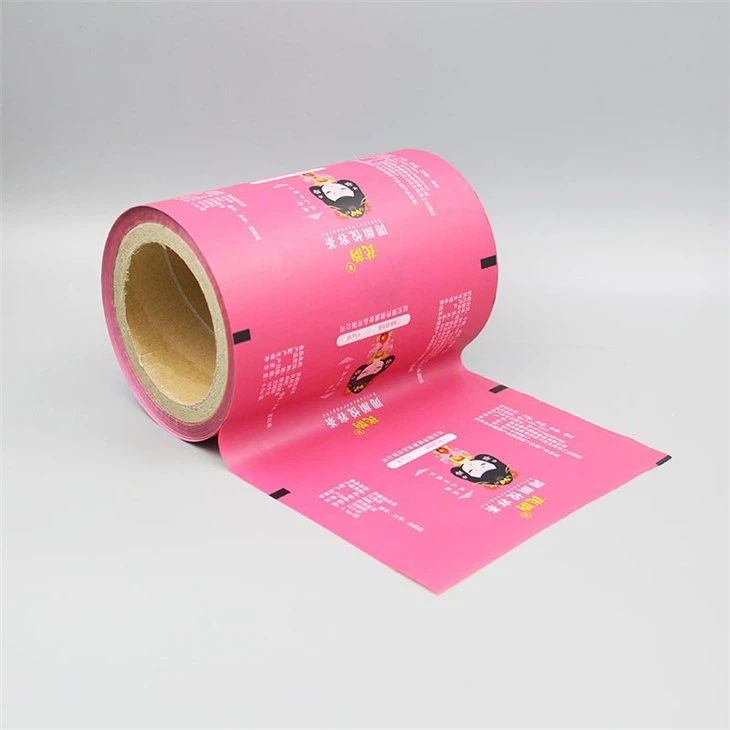
If you're in the food packaging industry, you might be interested in our Food Packaging Plastic Film Roll. It comes in a variety of gauges to meet your specific needs.
Industrial Packaging
In the industrial sector, plastic film rolls are used to protect products during storage and transportation. Industrial products can be heavy, sharp, or have irregular shapes, so a thicker gauge of plastic film is usually required. Gauges ranging from 4-6 mils are common for industrial packaging applications. These thicker films provide better protection against scratches, tears, and moisture.
Agriculture
The agricultural industry also relies heavily on plastic film rolls. Plastic films are used for greenhouse covers, mulching, and silage wrapping. The gauge of the plastic film used in agriculture depends on the specific application. For greenhouse covers, a thicker gauge of 6-8 mils is often used to provide long-lasting protection against the elements. Mulching films can be thinner, around 1-2 mils, as their main function is to suppress weeds and retain moisture in the soil.
Now that you understand why plastic film rolls come in different gauges, how do you choose the right one for your needs? Here are some factors to consider:
Product Type
As mentioned earlier, the type of product you're packaging or using the plastic film for will determine the appropriate gauge. Consider the weight, shape, and fragility of the product. If it's a heavy or sharp item, you'll need a thicker gauge. If it's a lightweight and delicate product, a thinner gauge might suffice.
Packaging Method
The way you package your product also plays a role in gauge selection. If you're using a heat-sealing process, you'll need a plastic film with the right heat-seal properties. Thicker films might require more heat and pressure to seal properly. On the other hand, if you're using a wrap-around packaging method, a thinner film might be more flexible and easier to work with.
Environmental Conditions
The environmental conditions in which the product will be stored or transported need to be taken into account. If the product will be exposed to high humidity or extreme temperatures, a thicker and more moisture-resistant film might be necessary.
Cost
Cost is always a factor. Thicker gauges of plastic film generally cost more than thinner gauges. You'll need to balance the cost with the level of protection and performance required for your application.
At our company, we offer a wide range of plastic film rolls in different gauges to meet the needs of various industries. Whether you're in food packaging, industrial packaging, or agriculture, we have the right solution for you. Our team of experts can help you choose the appropriate gauge based on your specific requirements.
If you're interested in learning more about our plastic film rolls or if you have any questions about gauge selection, feel free to reach out to us. We're here to help you find the perfect packaging solution for your business. Don't hesitate to start a conversation with us about your procurement needs and let's see how we can work together to make your packaging process more efficient and cost-effective.
References
- Packaging World. "Understanding Plastic Film Gauges."
- Plastics News. "The Importance of Gauge in Plastic Film Packaging."