




Are biodegradable bags made with natural dyes?
 Jan 13, 2026|
 In the era of heightened environmental awareness, biodegradable bags have emerged as a sustainable alternative to traditional plastic bags. As a leading supplier of biodegradable bags, we are constantly exploring innovative ways to enhance the eco - friendliness of our products. One such area of exploration is the use of natural dyes in the manufacturing of biodegradable bags. This blog post aims to delve into whether biodegradable bags can be made with natural dyes and the implications for the environment and our product offerings.
Understanding Biodegradable Bags
Before we discuss the use of natural dyes, it's essential to understand what biodegradable bags are. Biodegradable bags are designed to break down into natural elements such as water, carbon dioxide, and biomass when exposed to the right environmental conditions. They are typically made from organic materials like plant starches, cellulose, or other renewable resources, which can be decomposed by microorganisms over time.
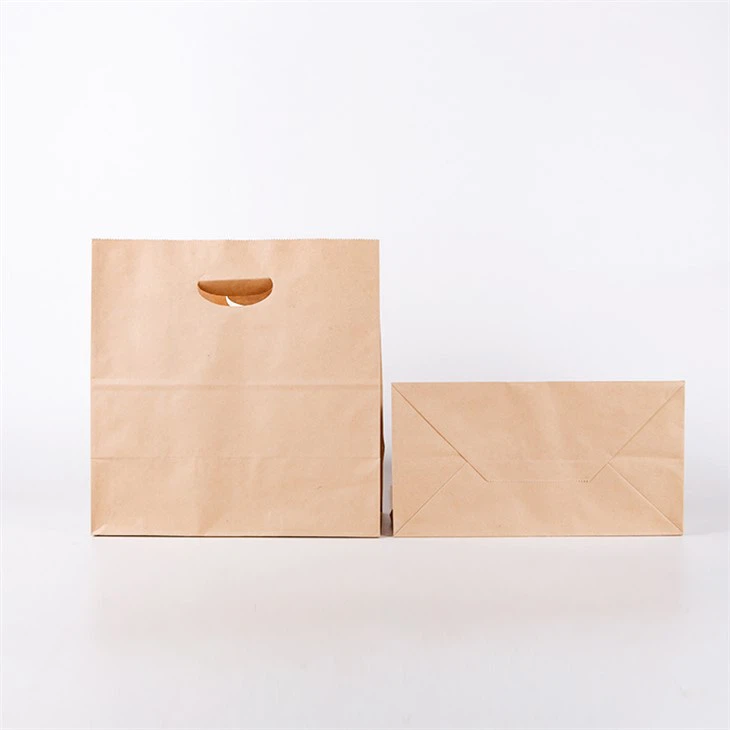
Our company offers a wide range of biodegradable bags, each tailored to different needs. For example, the Kraft Paper Handle Bag for Fast Food is perfect for the food industry. It is made from kraft paper, a natural and biodegradable material, and is sturdy enough to hold fast - food items. The Custom Heat Sealing Salt Bag is another product in our portfolio. This bag is designed for storing salt and other granular products, with a heat - sealing feature for better preservation. And the Metallic Mini 3 Side Seal Bag is a popular choice for small - scale packaging, offering a sleek and modern look.
The Case for Natural Dyes
Natural dyes are derived from plants, animals, or minerals. They have been used for centuries to color various materials, including textiles, food, and now, potentially, biodegradable bags. There are several reasons why we are interested in using natural dyes in our biodegradable bags.
Environmental Benefits
One of the most significant advantages of natural dyes is their minimal environmental impact. Unlike synthetic dyes, which often contain harmful chemicals such as heavy metals, formaldehyde, and azo compounds, natural dyes are non - toxic and biodegradable. When the biodegradable bags made with natural dyes break down, they do not leave behind any harmful residues in the environment. This aligns perfectly with our commitment to sustainability and reducing the ecological footprint of our products.

Health and Safety
Natural dyes are also safer for human health. Since they are free from the toxic substances found in synthetic dyes, there is less risk of skin irritation or allergic reactions when people come into contact with the bags. This is especially important for food - related applications, where the bags may directly touch the food.
Aesthetic Appeal
Natural dyes can offer a unique and earthy aesthetic to our biodegradable bags. They often produce softer, more muted colors compared to the bright and vivid hues of synthetic dyes. This natural look can be very appealing to consumers who are drawn to the organic and sustainable aspects of our products.
Challenges in Using Natural Dyes
While the benefits of using natural dyes are clear, there are also some challenges that we need to overcome.
Color Fastness
One of the main issues with natural dyes is their relatively poor color fastness. Natural dyes may fade more quickly when exposed to sunlight, water, or abrasion compared to synthetic dyes. This can be a problem for our biodegradable bags, especially if they are used in outdoor or wet conditions. To address this challenge, we are working on developing techniques to improve the color fastness of natural dyes, such as using mordants (substances that help the dye bond to the material) and post - treatment processes.
Availability and Cost
The availability of natural dyes can be limited, and they are often more expensive than synthetic dyes. This is because the production of natural dyes is more labor - intensive and depends on the availability of raw materials. For example, some natural dyes are derived from rare plants, which may be difficult to source in large quantities. To mitigate this issue, we are exploring partnerships with sustainable farmers and suppliers to ensure a stable supply of natural dyes at a reasonable cost.
Consistency in Color
Achieving consistent color is another challenge when using natural dyes. Since natural dyes are derived from natural sources, there can be variations in color due to factors such as the type of plant, the growing conditions, and the extraction method. This can make it difficult to maintain a uniform color across different batches of biodegradable bags. We are investing in research and development to develop standardized processes for extracting and applying natural dyes to ensure color consistency.
Our Progress in Using Natural Dyes
Despite the challenges, we have made significant progress in incorporating natural dyes into our biodegradable bags. We have been conducting extensive research on different types of natural dyes and their suitability for our bag materials. We have also been testing various application methods to improve the color fastness and consistency of the dyes.
In some of our pilot projects, we have successfully used natural dyes such as indigo, turmeric, and madder root to color our biodegradable bags. The feedback from our customers has been positive, with many appreciating the unique and eco - friendly look of the bags. We are now in the process of scaling up these projects and integrating natural dyes into our regular product offerings.
Future Outlook
As we look to the future, we are committed to further expanding the use of natural dyes in our biodegradable bags. We believe that this is not only a step towards a more sustainable future but also a way to differentiate our products in the market. We will continue to invest in research and development to overcome the challenges associated with natural dyes and improve the quality of our dyed biodegradable bags.
We also plan to educate our customers about the benefits of using biodegradable bags made with natural dyes. By raising awareness, we hope to encourage more people to choose sustainable packaging options and contribute to a greener planet.
Contact Us for Procurement
If you are interested in our biodegradable bags, whether they are dyed with natural dyes or not, we invite you to reach out to us for procurement. Our team of experts is ready to assist you in finding the right bag for your specific needs. Whether you are a small business owner looking for a unique packaging solution or a large corporation aiming to reduce your environmental impact, we have the products and the knowledge to support you.
Let's work together to make a positive difference in the environment by choosing sustainable biodegradable bags.
References
- "Eco - Friendly Dyes: A Review of Natural Dyes and Their Applications", Journal of Sustainable Textiles.
- "Biodegradable Polymers and Their Applications in Packaging", Packaging Technology and Science.
- "The Chemistry of Natural Dyes", Chemical Education Journal.